Run your fingers down the middle of your back. Feel those little bumps? That's your backbone (your spine). It's the first thing scientists look for when they sort animals into groups.
Animals with a backbone are called vertebrates. Animals with no backbone are called invertebrates. That one question splits the whole animal kingdom in two.
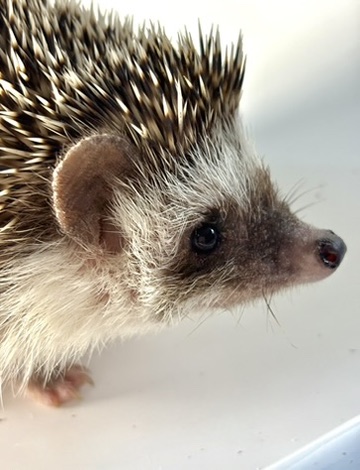
Mammals
Warm-blooded, breathe air, have fur or hair, and feed their babies milk.
🦔 Gary the hedgehog and Mimi the sugar glider are mammals — and so are you!
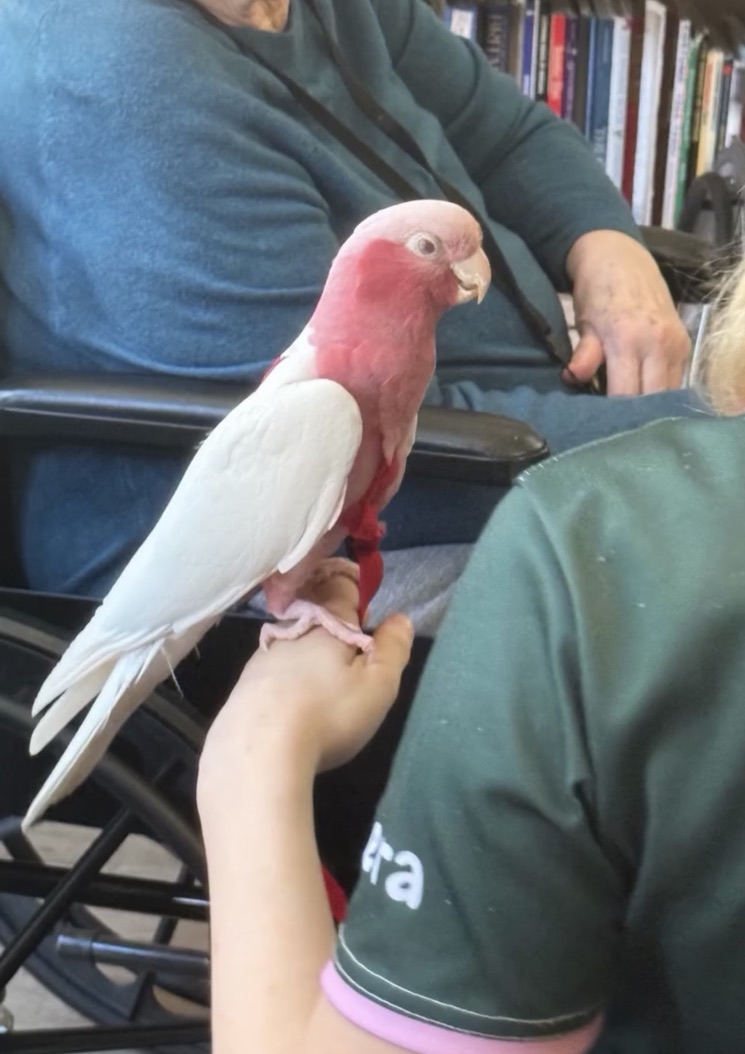
Birds
Warm-blooded, have feathers and a beak, and lay eggs. Most can fly.
🦜 Rosie the galah is a bird — feathers, a strong beak, and a very loud voice!
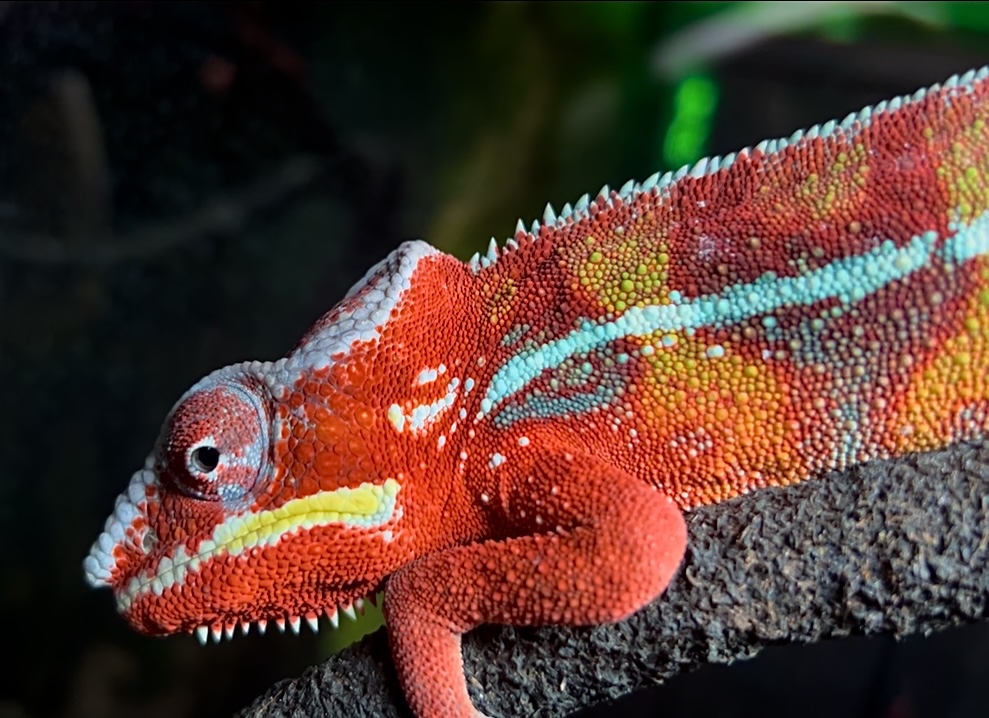
Reptiles
Cold-blooded, have dry scaly skin, and most lay eggs on land.
🦎 Elvis the chameleon is a reptile — scaly skin and he loves to bask in the warm.
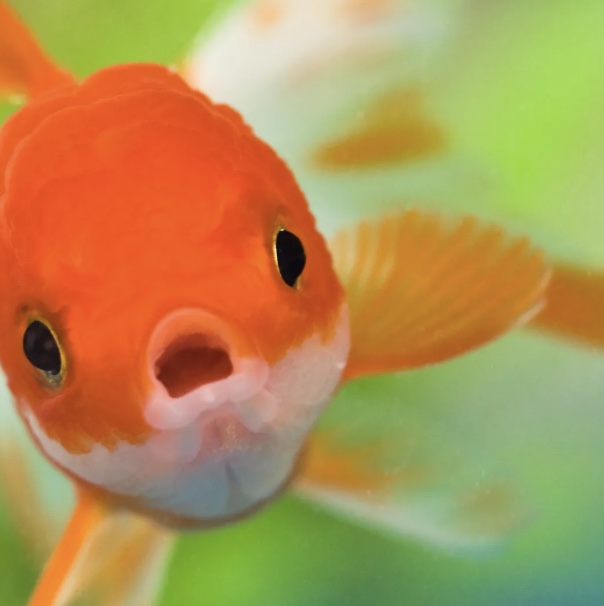
Fish
Live in water, breathe through gills, and have fins and scales.
🐟 A goldfish is a fish — it never leaves the water, using gills to breathe instead of lungs.
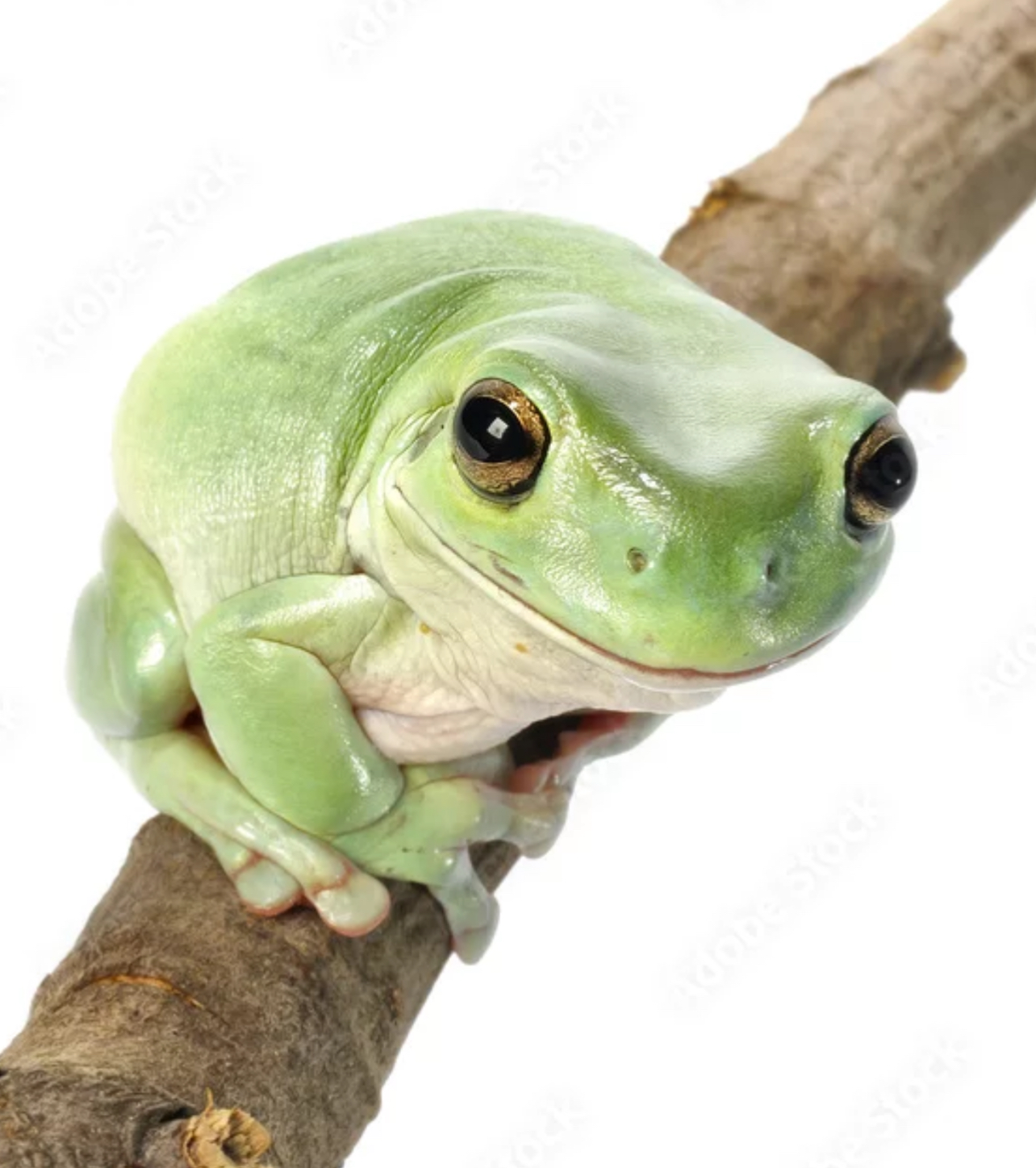
Amphibians
Start life in water breathing with gills, then grow lungs to live on land. They have moist skin.
🐸 A frog is an amphibian — it begins as a tadpole in the pond, then grows legs and hops onto land.
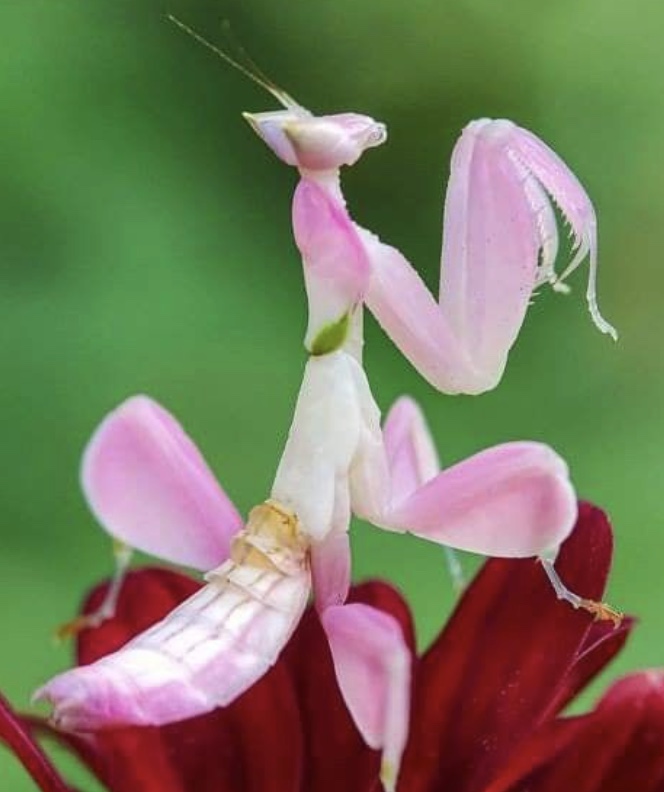
Invertebrates
No backbone at all. Insects, spiders, worms, snails and crabs are all invertebrates — in fact, most animals on Earth are.
🦗 Pixie the praying mantis is an invertebrate — an insect with six legs and its skeleton on the outside.
Can you sort them?
✍️ Your turn to think
Pick an animal you can see from your window, or a pet you know. Does it have a backbone? Which of the six groups do you think it belongs to, and how can you tell?