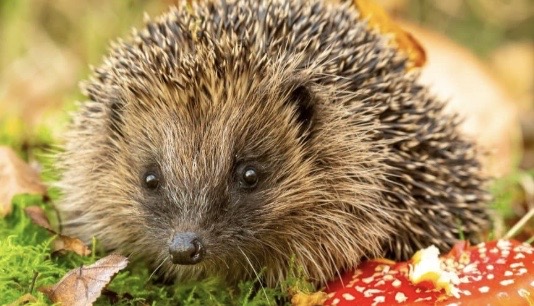
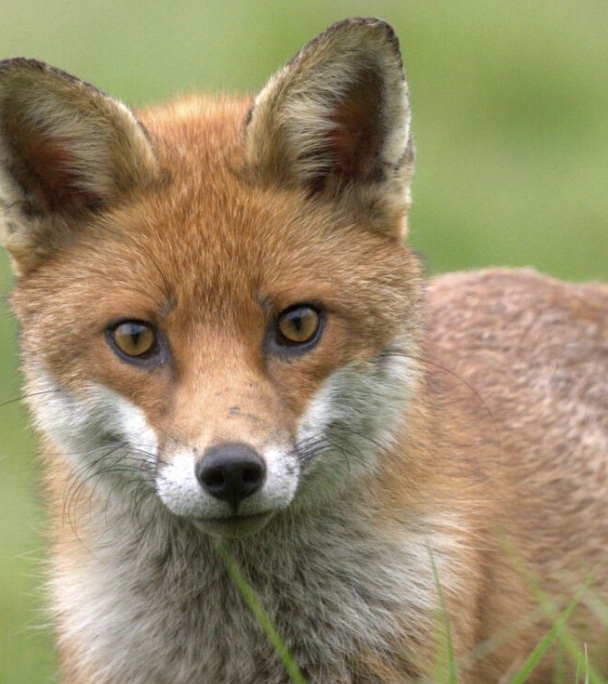
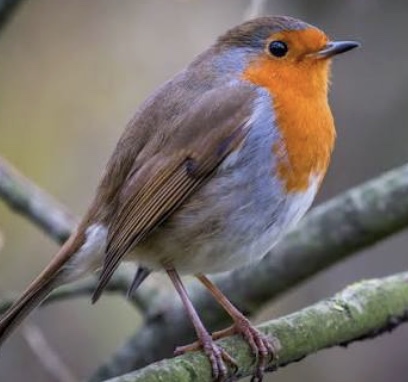
You don't have to travel to a rainforest to find amazing animals. A Surrey garden, park or hedgerow is home to hedgehogs, foxes, frogs, robins and hundreds of insects. This is British wildlife — the native species that belong here.
Conservation means protecting wildlife and the wild places it needs, so it's still here for the future. Some of our best-loved animals need our help right now.
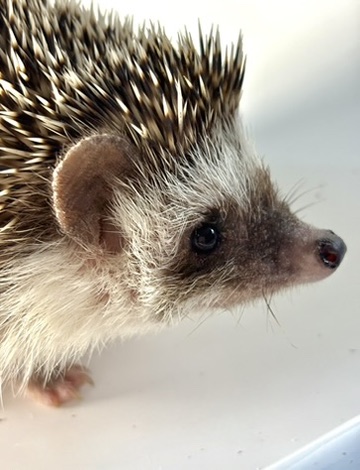
Gary is a hedgehog — one of Britain's most-loved native animals. Yet wild hedgehogs have declined dramatically, especially in the countryside. Their story shows why conservation matters.
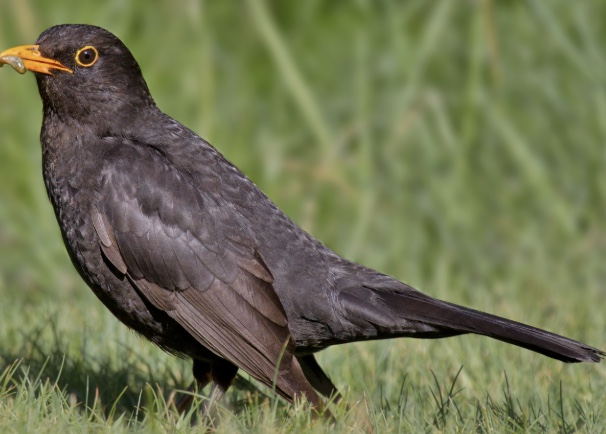
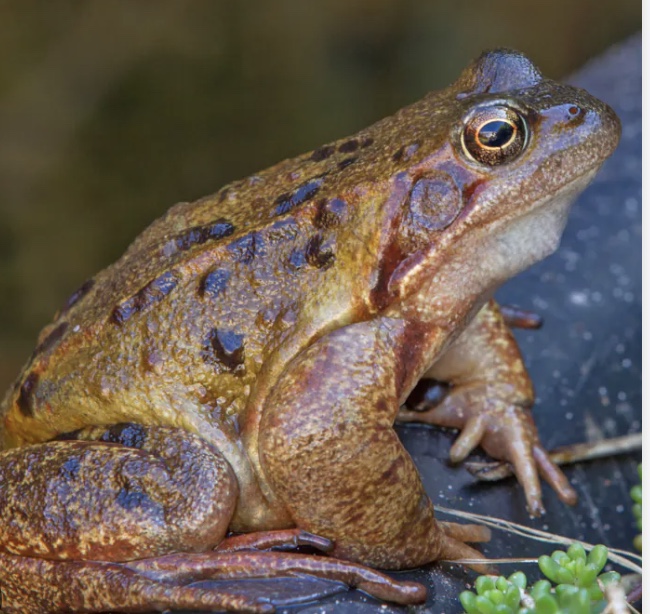
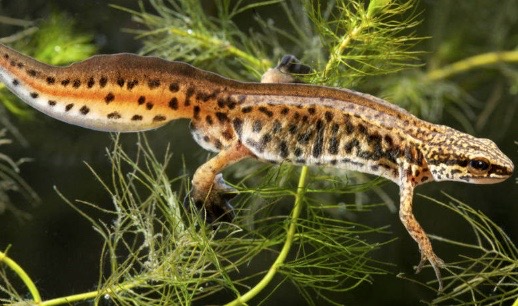
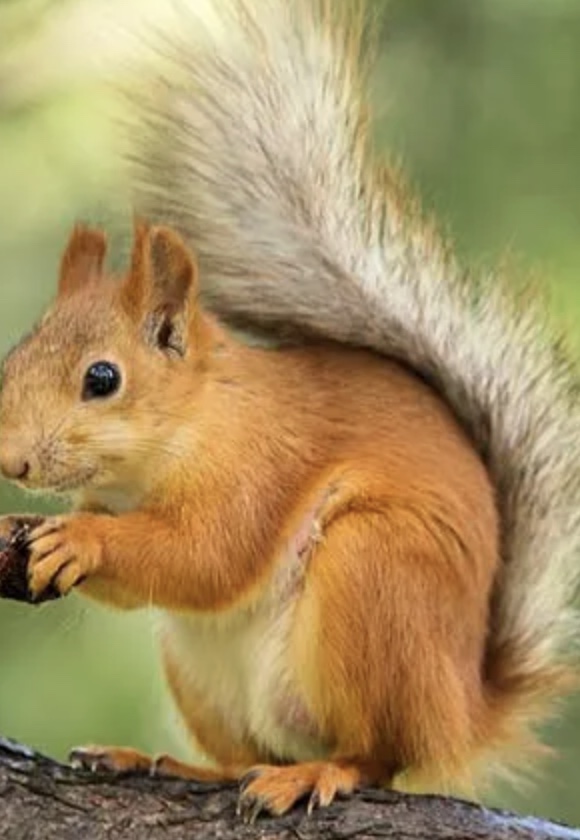
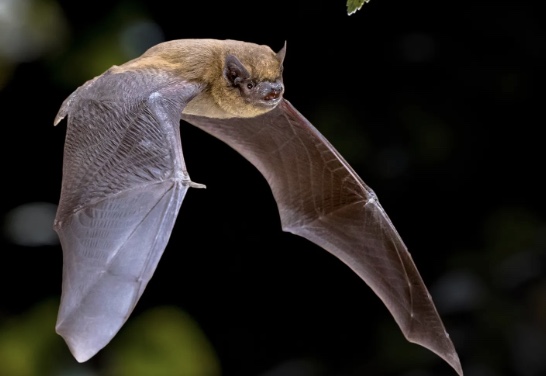
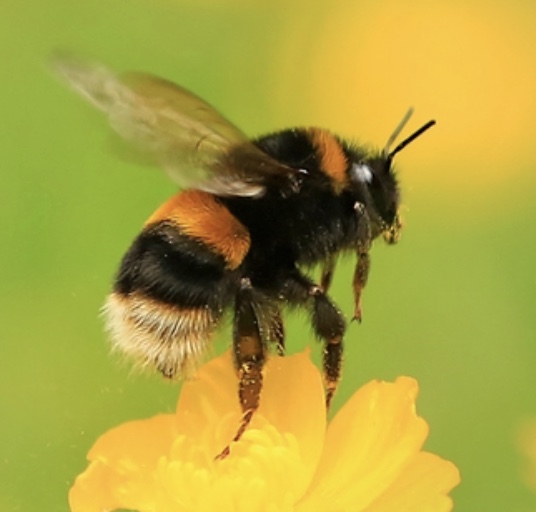
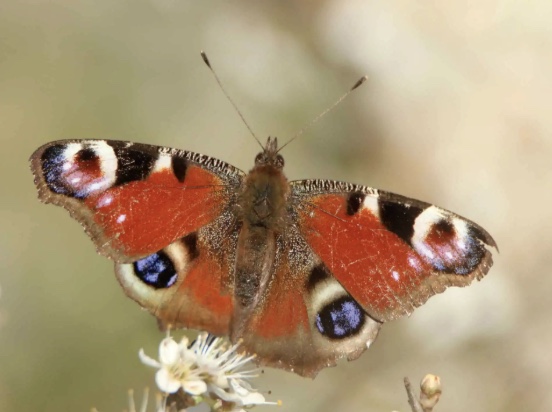
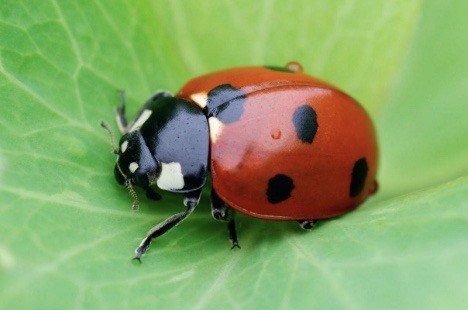
The main threats
- Habitat loss — hedges, ponds and wild corners get built on or paved over, so animals lose their homes and food.
- Tidy gardens & fences — solid fences trap hedgehogs; no leaves or log piles means nowhere to shelter or hibernate.
- Pesticides — sprays kill the insects that birds, bats and hedgehogs need to eat.
- Roads — busy roads are dangerous for hedgehogs, frogs and many others.
- Climate change — warmer, less predictable seasons confuse hibernation, migration and breeding.
A 13cm gap in the bottom of a fence lets hedgehogs roam between gardens to find food and mates.
A log pile, leaves or long grass gives shelter and hibernation spots — and homes for insects.
Even a small pond or a shallow dish of water helps frogs, birds and thirsty hedgehogs.
Wildflowers and native plants feed bees and butterflies. Skip the pesticides.
A feeder and fresh water help birds through winter, when natural food is scarce.
Join a garden wildlife count. Watching and counting helps scientists protect species.
🌍 The bigger picture: rewilding
Helping one garden is brilliant. Rewilding does it on a huge scale — giving nature space to look after itself again: letting woodlands and wetlands return, and sometimes bringing back animals that had disappeared, like beavers, which build dams that create homes for many other species.
Check your thinking
✍️ Your turn to think
Think about your own garden, balcony, street or school grounds. What is one thing you could do to help British wildlife? What might get in the way, and how could you solve it?