🐾 Teaching Resources

Every activity is ready to use — no preparation needed. Open the page, sit with your child, and start. Every resource includes clear instructions, what to say, what to expect, and what success looks like.

🇬🇧 UK National Curriculum KS1 · KS2 · KS3 · KS4 · KS5 SEND Friendly Zero Prep Needed Works Offline
📖 How to use PawSteps — A guide for parents, teachers & SENCOs Tap to read
Zero preparation needed Every page of PawSteps is ready to use the moment you open it. There is no cutting out, no printing, no gathering resources. Open the activity on any device, sit alongside your child, and begin. The app handles everything else.
🕐 How long each activity takes Short activities: 5–10 minutes. Workbook sections: 15–25 minutes. Learn It lessons: 10–15 minutes. Use as little or as much as works that day.
💬 What to say to your child "Let's spend 10 minutes with Rosie and Gary today." Keep the tone calm and exploratory — there are no wrong answers here, only learning in progress.
📊 What success looks like Engagement, curiosity and effort — not correct answers. A child who tries something new and talks about it has had a successful session. The scores will follow.
💚 SEND and neurodivergent learners No time pressure. No failing. No noise or flashing. Activities can be done verbally (the child speaks the answer, you type). The Accessibility bar on the home screen lets you turn on dyslexia font, bigger text and calm mode.
📋 Using this for EHCP annual reviews PawSteps tracks what your child completes and generates an EHCP-mapped evidence report (Premium feature). This document shows which curriculum areas have been covered, which are secure and which are emerging — in the language that SEN coordinators and annual review panels use. Print it directly from the Progress Dashboard.
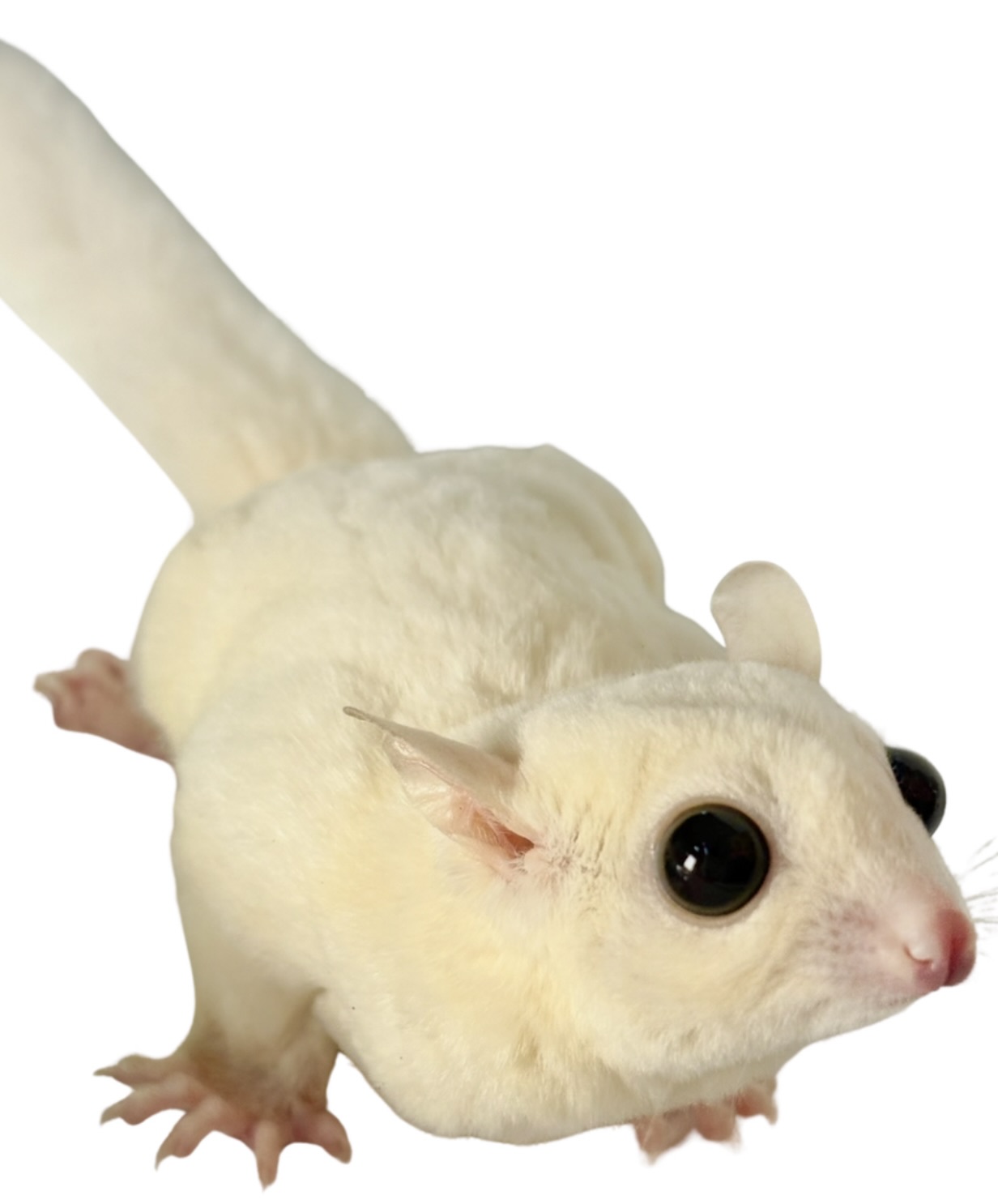
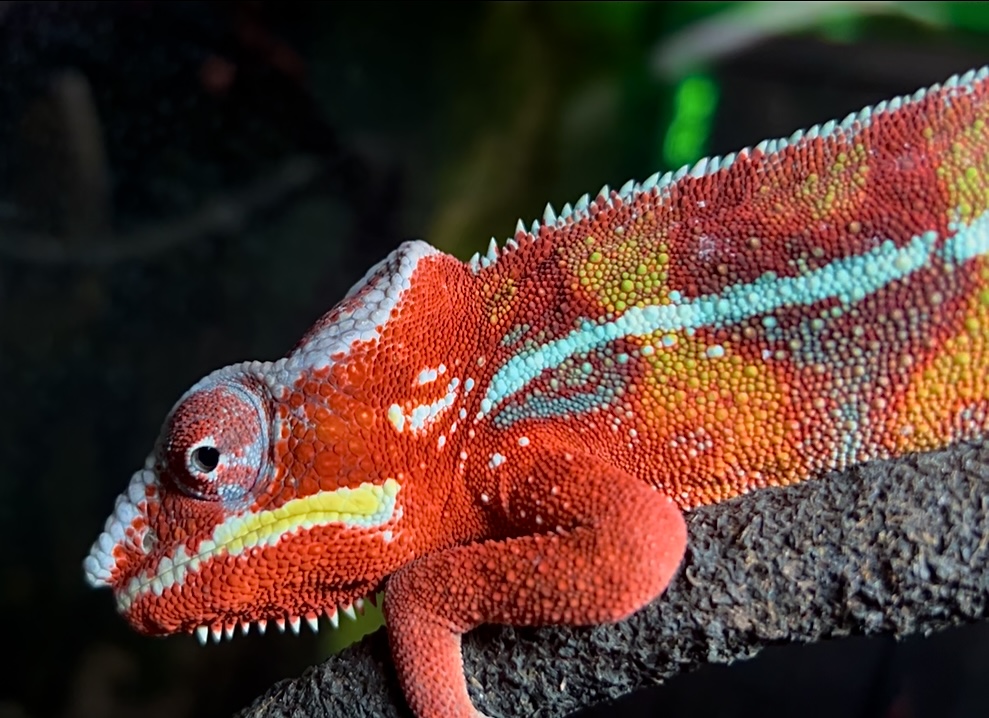
RosieRosie GaryGary MimiMimi ElvisElvis
🧩 SEND & Accessibility Toolkit
🧩
SEN · All learners
SEN Zone
Every accessible activity in one place — cause & effect, sensory, early skills, communication, maths & literacy. Switch, keyboard & touch friendly.
📝
Teacher tool · All stages
Workbook Maker
Type a child's name, age and needs → a personalised, printable workbook (maths, reading, writing, feelings, social & time), difficulty-scaled and animal-themed.
🧠
Teacher tool · All stages
SEND Content Differentiator
Paste any lesson or worksheet and instantly make a differentiated version — simpler reading level, symbol-supported, read aloud, or a visual step-by-step schedule. Free, runs on your device.
🗓️
Teacher tool · SEND
Visual Schedule Maker
Build a personalised Now/Next board or a timed timetable with your own activities and symbols. Saves on the device and prints.
📋
Teacher tool · SEND
My Visual Schedule (quick)
A simpler, quick visual schedule — the lighter version if the full maker is more than you need.
📖
Teacher tool · SEND
Social Story Builder
Walk a child through “what happens next” step by step, so a new or worrying situation holds no surprises.
🔣
Teacher tool · SEND
Symbol Support — Key Words
Add picture symbols beside key words to support pre-readers and communication.
🔢
KS1 · Maths
Number Blocks — Visual Maths
See numbers as blocks — build, add and take away visually. Great for concrete-first maths.
🙂
Teacher tool · SEND
Was That a Joke?
Practise reading tone & context — teasing vs unkind, joking vs serious. Supports social communication.
Key Stage 1 · Ages 5–7
📖
KS1 · English / Literacy
Read with Rosie
A read-aloud picture book featuring all 8 POTG animals. Words highlight as Rosie reads. Earns a printable certificate. Ideal for phonics follow-up and reading for pleasure.
🔍
KS1–2 · Science
Pet Spotter Quiz
Identify 8 animals by name and characteristics. Covers animal names, characteristics and habitats. Children earn a printable "Pet Spotter" badge. Links to: Animals including Humans.
🏃
KS1–2 · PE / Wellbeing
Animal Moves
30-second movement challenges inspired by real animals — glide like Mimi, snuffle like Gary, slither like a snake. 8 animals, countdown timers, movement break or full lesson starter.
🦔
KS1–2 · Maths / Logic
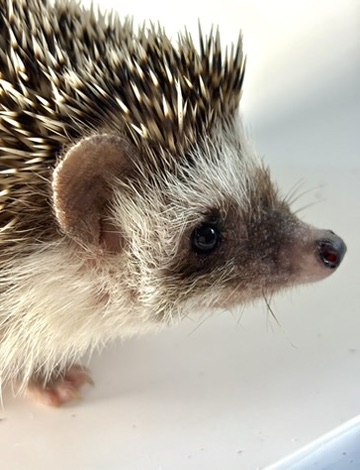
Gary's Maze
Guide Gary the hedgehog through a maze to his leaf pile. Develops spatial reasoning, problem solving and perseverance. Great as a warm-up or early-finisher task.
🐾
KS1–2 · Science
Creature Files
Real animal fact files with a quiz at the end. Covers animal classification, diet, habitat and adaptations. Each "file" uses real POTG animals as the starting point.
🌍
KS1–2 · Science / Geography
Habitat Hunt
Match animals to their correct habitats — ocean, rainforest, desert, grassland and more. Covers living things and their habitats. Beat the clock for an extra challenge.
🔤
EYFS · KS1 · Ages 4–7
Animal ABC — Phonics Hub
5 audio-first activities: Animal ABC (26 letters), word matching, counting, animal sounds, and letter tracing. Fully voice-guided — no reading required. Earns stickers.
🎯
EYFS · KS1 · KS2 · "I can..." skills
Skill Workbook 1
Ten skills: fractions, time, feelings, phonics, self-care, animal care, habitats, life cycles, minibeasts, and food sorting. 80 lessons, bonus challenges, self-check, printable certificate, answer key, brain breaks. Zero prep needed.
🎯
KS1 · KS2 · "I can..." skills
Skill Workbook 2
Six skills: adding numbers, subtraction, writing sentences, days of the week, 2D shapes, and adjectives. Same ready-to-use format — certificate, answer key, brain breaks, zero prep.
Key Stage 2 · Ages 7–11
💬
KS1–2 · PSHE / Communication
My Communication Workbook
14 guided lessons covering feelings, asking for help, expressing needs and building vocabulary for emotions. Typeable on-screen or print for paper use. Designed for SEND / AP settings.
📅
KS2 · Cross-curricular
My Animal Year Workbook
A year-long activity workbook following animals through the seasons. Covers science observation, creative writing and seasonal change. Each month introduces a different animal and activity.
🍖
KS2 · Science
Animal Diets & Food Chains
Explore what POTG animals eat and how food chains work. Covers herbivores, carnivores and omnivores using Elvis, Gary, Mimi and Rosie as real examples. Includes a build-your-own food chain activity.
🔬
KS2 · Science
Animal Classification
Sort vertebrates and invertebrates. Identify mammals, reptiles, birds, amphibians and fish using animals from POTG sessions. Includes a classification key activity and sorting worksheet.
🔄
KS1–2 · Science
Animal Lifecycles
Order lifecycle stages for sugar gliders, hedgehogs, chameleons and galahs. Covers metamorphosis, gestation, growth and development. Includes sequence-card printables.
🧮
KS2 · Maths
Animal Keeper Maths
Real-world maths problems set in a POTG care scenario: feeding quantities, weight and measurement, time and scheduling. Covers all four operations with animal-themed word problems.
🎨
KS2 · Art & Design
Design an Enclosure
Design the perfect home for a POTG animal. Children research the animal's needs, sketch a habitat design and label key features. Covers animal welfare, design principles and creative writing.
🐛
KS1–2 · Science / Fieldwork
School Bug Hunt
Investigate the minibeasts in your school grounds. Identify, count and record findings using a tally chart. Covers living things and their habitats, working scientifically and data handling.
💛

SEN & Alternative Provision

All POTG activities are designed with SEN-friendly principles: simple, consistent language; no time pressure; high-contrast options; and printable alternatives to every digital activity. The Communication Workbook is specifically written for AP settings. Open Communication Workbook →

Key Stage 3–4 · Ages 11–16
🌿
KS3 · Science / Geography
Habitats, Adaptations & Food Webs
Explore how exotic pets kept by POTG are adapted to their native habitats. Construct food webs, compare UK and tropical ecosystems and analyse the impact of habitat loss on species survival.
🌏
KS3–4 · Science / Citizenship
Endangered Animals & Conservation
Research endangered species linked to POTG animals. Covers CITES, breeding programmes, habitat destruction and what individuals can do. Includes a Save a Species campaign brief writing task.
🌡️
KS3–4 · Science / Geography
Climate Change & Animals
How is climate change affecting the wild relatives of POTG animals? Analyse data, evaluate evidence and write a persuasive conservation report. Links to biology, geography and citizenship.
📊
KS3–4 · Maths / Science
Animal Survey & Statistics
Design and conduct an animal behaviour survey using POTG visits or video clips. Covers data collection, mean/median/mode, graphing and writing up scientific findings.
KS3 · KS4 · KS5
RosieLearn It — KS3/4/5 (216 lessons)
📖
KS3 · KS4 · KS5 · All Subjects
Learn It — 216 Lessons
216 fully-structured lessons covering English, Maths, Science, PSHE, Geography and History from KS1 through to A-Level. Each lesson: Read → Watch video → Test from memory. Progress tracked per pupil.
🔭
KS3 · Ages 11–14
KS3 Hub
Comprehensive KS3 activities: cell biology, ecosystems, genetics, language techniques, persuasive writing, algebra, statistics, probability, and a logic mystery (Case 4).
🎓
KS4 · GCSE · Ages 14–16
KS4 Hub
GCSE-level activities: cell biology with Punnett squares, PETAL language analysis, predator-prey data interpretation, Pythagoras, probability trees, and Operation Extinction investigation.
🦅
KS5 · A-Level · Ages 16–18
KS5 Hub
A-Level Biology (biodiversity, genetics, ecology), English language analysis, ethics debates on animal welfare, and an EPQ independent research framework with 10 suggested animal topics.
🃏
KS3 · KS4 · KS5 · All Subjects
Flashcard Decks
340 revision cards across 15 decks — swipe to learn. Science, English, Geography, History, Maths. KS3 through A-Level. Track which cards you know.
📝
KS4 · GCSE · AQA / Edexcel
GCSE Practice Hub
Fix Your Mistakes quiz (pulls your weakest areas), Model Answer practice with examiner commentary, AQA/Edexcel syllabus progress tracker.
🏫

Bring POTG to your school

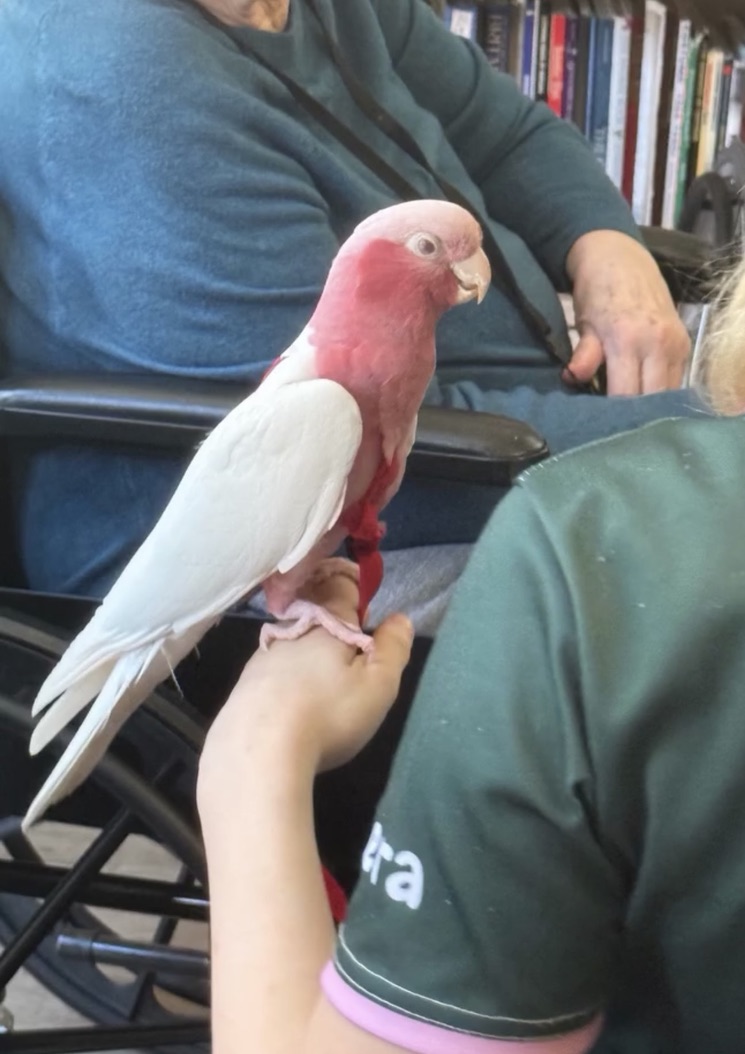
All resources work standalone — but they come alive when combined with a live session. Bring Pets on the Green to your school. Contact Ciera to find out more: hello@pawsteps.co.uk
📅 Book now — meet us in person · petsonthegreen.com