In the UK, looking after an animal properly isn't just a kind thing to do — it's the law. The Animal Welfare Act 2006 says that anyone who keeps an animal must look after its needs, whether it's a pet at home, an animal on a farm, or a creature in a zoo.
The Act is built around a famous idea called the five freedoms. Think of them as five promises we make to every animal in our care. Let's meet them through some of our own Pets on the Green animals.
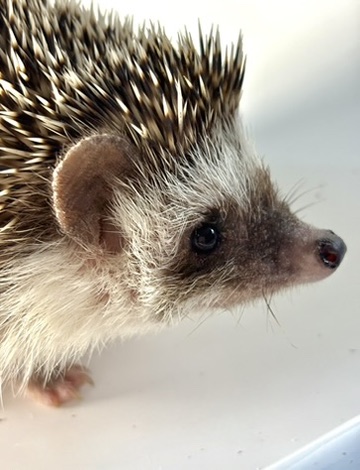
Freedom from hunger and thirst
Every animal needs fresh water and the right food for its body — not too much, not too little, and nothing that could make it poorly.
🦔 Gary the hedgehog needs clean water every day and special hedgehog food. Bread and milk would actually make him ill.
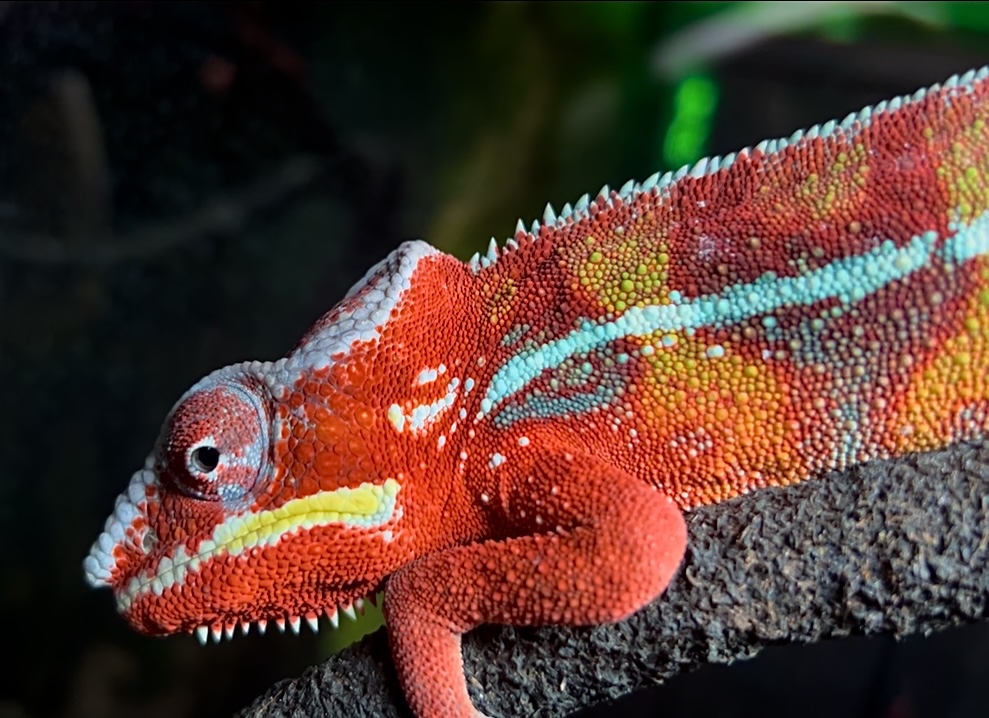
Freedom from discomfort
Animals need the right home — the right temperature, somewhere to shelter, and a comfy place to rest.
🦎 Elvis the chameleon comes from a warm country, so his home is gently heated with special lamps and full of branches to climb. A cold, bare tank would make him miserable.
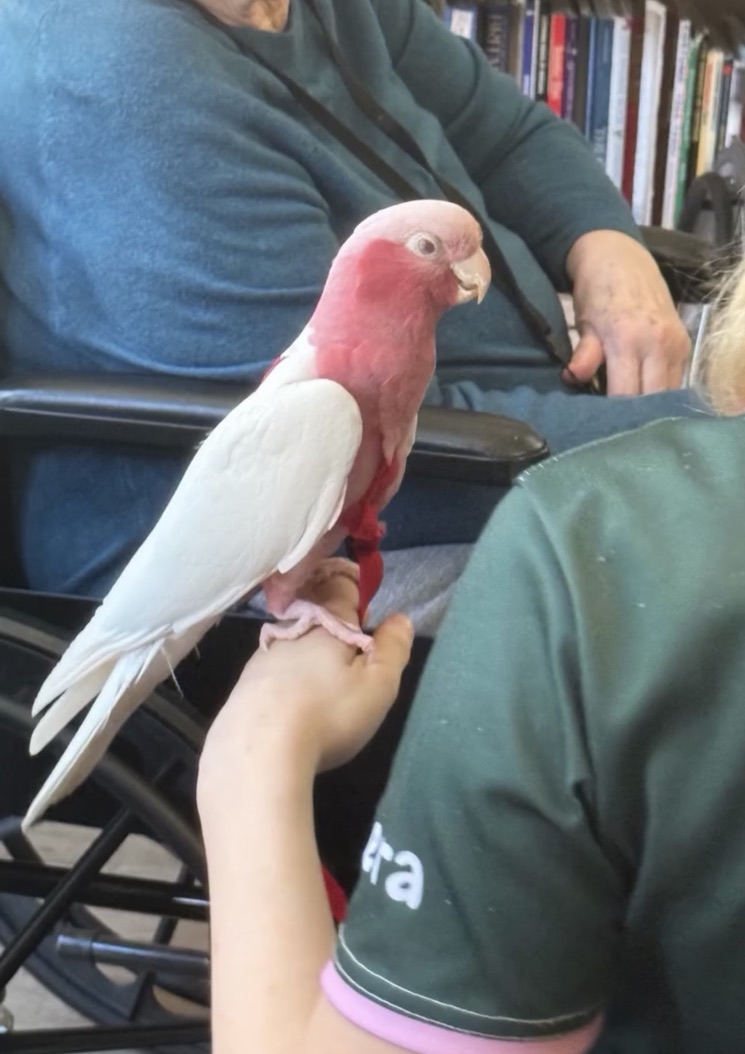
Freedom from pain, injury and disease
We keep animals healthy — and if they do get hurt or unwell, we get them treated quickly by a vet.
🦜 Rosie the galah has regular check-ups. If she ever stopped eating or looked fluffed-up and quiet, that's a sign she needs a vet straight away.
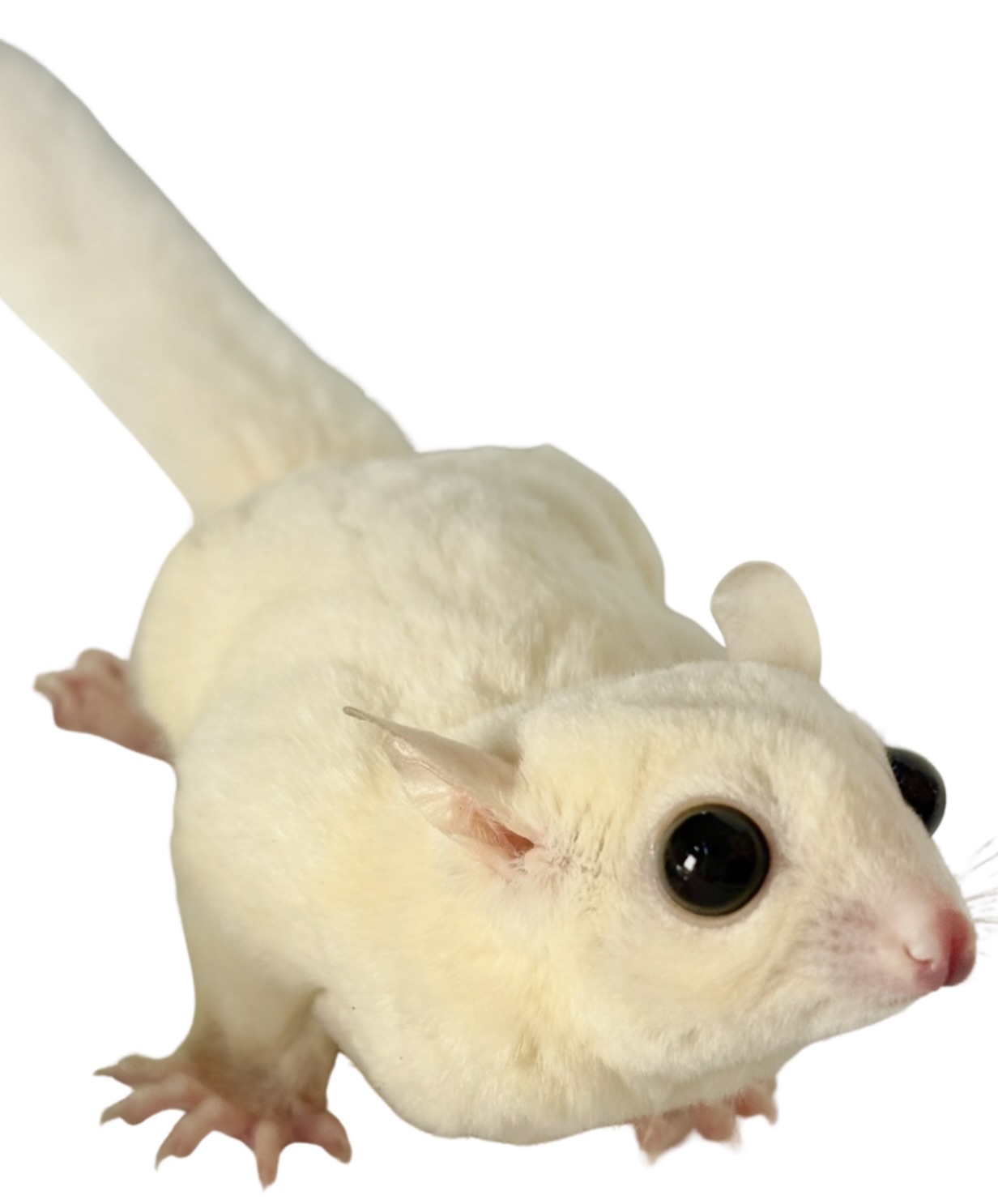
Freedom to behave normally
Animals need space and the right things around them to do what comes naturally — climbing, digging, gliding, or being with company.
🐾 Mimi the sugar glider loves to leap and glide, and she gets lonely on her own — sugar gliders are very social. A tiny, empty cage would stop her being herself.
Freedom from fear and distress
Animals should feel safe and calm. That means gentle handling, quiet voices, and never frightening or rushing them.
🌿 All our animals are handled slowly and kindly. We let them come to us, keep loud noises away, and always give them a quiet place to hide when they've had enough.
If a place wants to keep wild animals and show them to the public — like a zoo, an aquarium or a wildlife park — it can't just do that. By law it must get a zoo licence, and inspectors visit to check the animals are cared for.
The licence checks the same sort of things as the five freedoms: are the animals fed properly? Is their home warm and safe? Can they behave naturally? Are they protected from harm and fear? If a zoo doesn't meet the standard, it can be stopped from opening. It's a way of making sure the promises are actually kept.
You don't have to run a zoo to make the five promises — anyone with a pet makes them every single day. A responsible owner:
- Finds out what their animal really needs before getting it
- Gives fresh water and the right food every day
- Keeps its home clean, safe and the right temperature
- Gives it space and company to behave naturally
- Spots when something's wrong and asks a vet for help
- Is always gentle, calm and patient
Check what you remember
✍️ Your turn to think
Pick an animal you know — a pet, or one of ours. Which of the five freedoms do you think is the easiest to give it, and which is the hardest? Why?